


Seminar on Piloted eVTOL Training Systems Successfully Held in Shanghai
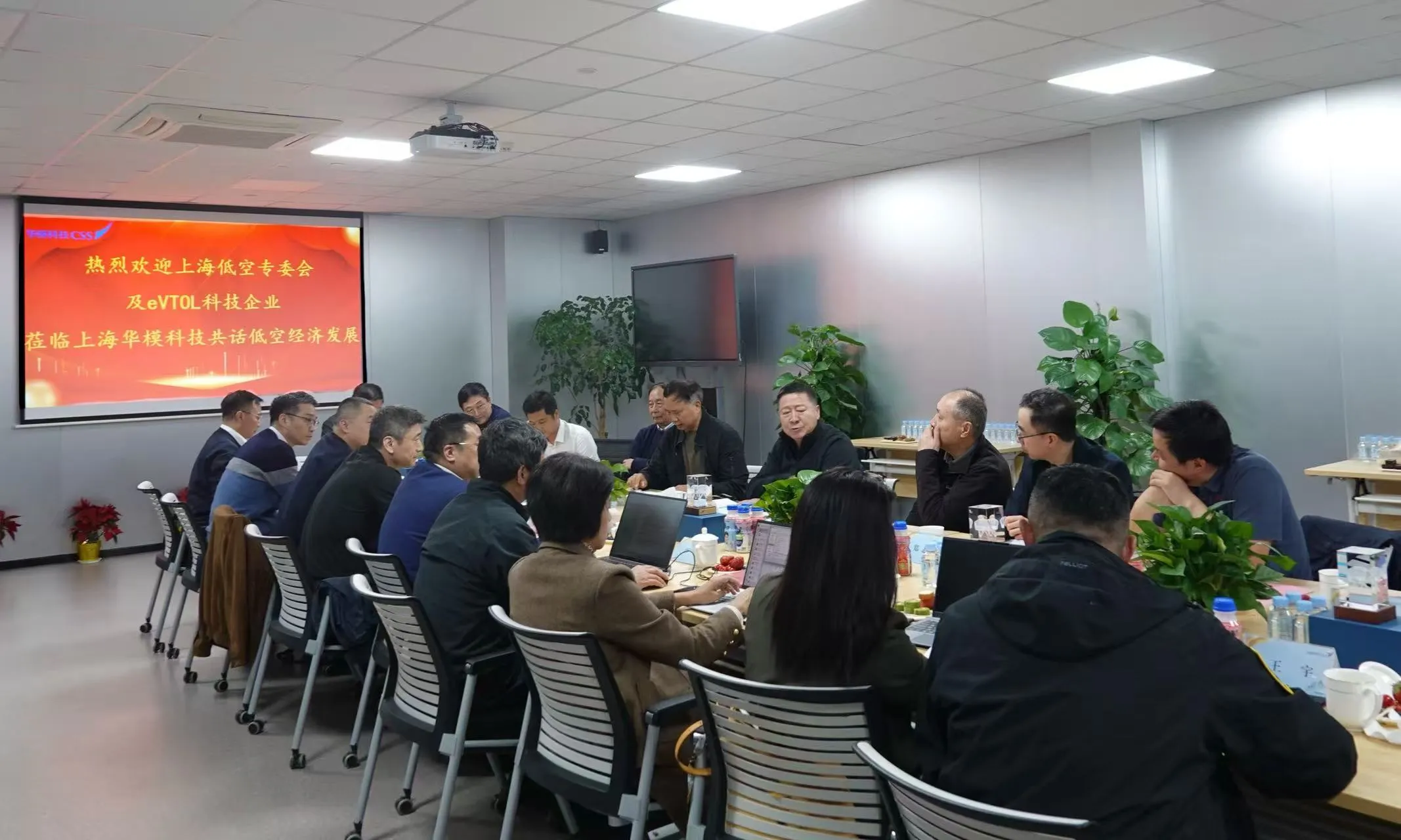
SHANGHAI – Recently, the Seminar on Piloted eVTOL Flight Training System Standards was successfully hosted at China Simulation Sciences' R&D Center. Organized by the Low-Altitude Economy Professional Committee of the Shanghai Modern Service Industry Federation and hosted by CSS, the event convened a high-level assembly of industry leaders.
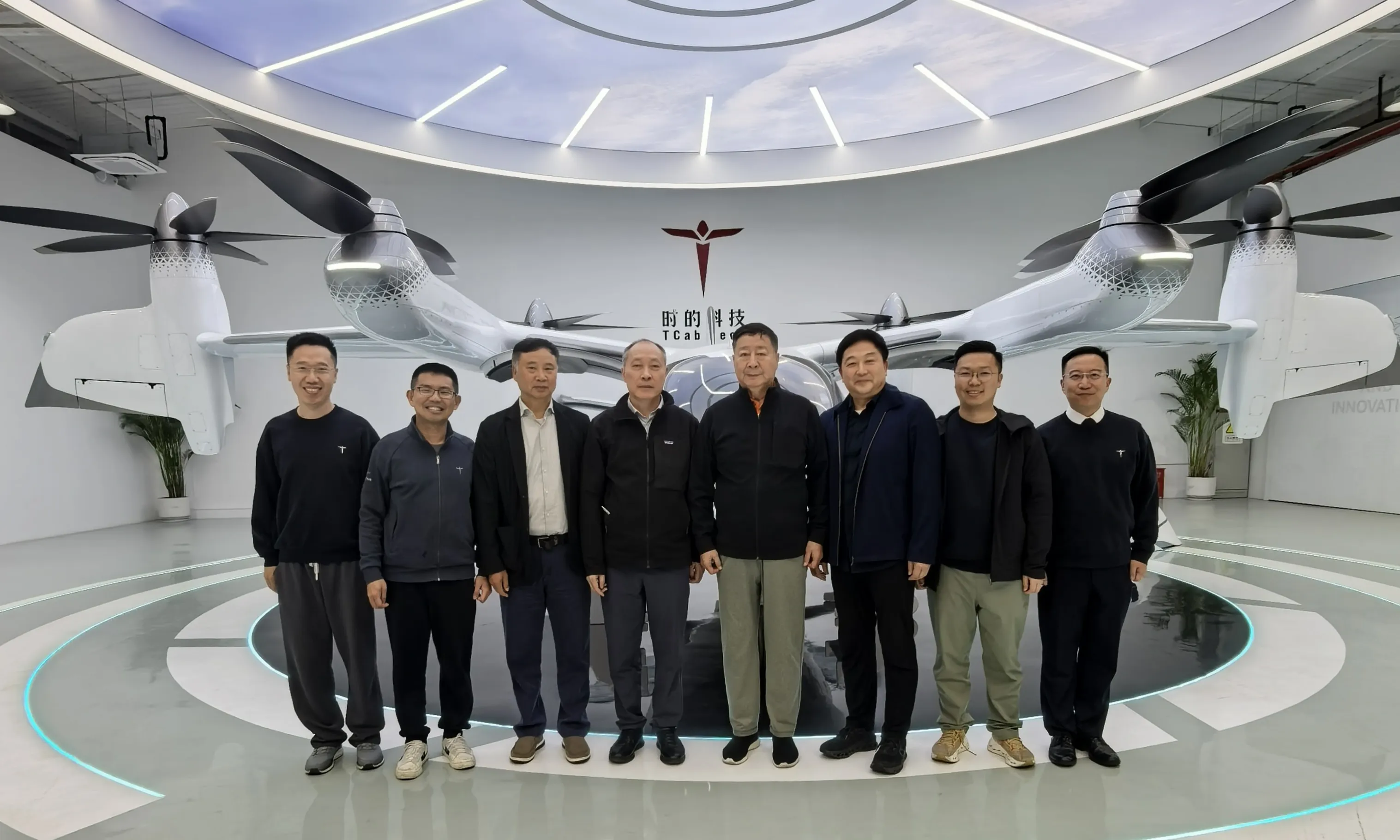
The seminar brought together former officials from the CAAC (Civil Aviation Administration of China) and its East China Regional Administration, experts from the China Academy of Civil Aviation Science and Technology (CAST), and representatives from leading eVTOL OEMs—including ARIDGE (XPENG AEROHT), TCab Tech, Vertaxi, AutoFlight, VOLANT, Inflync, and Xinkong Aviation. Training device manufacturers like CSS, training organizations, and aviation insurance/finance experts also joined to discuss the construction of flight training systems and simulation equipment standards for Piloted Electric Vertical Takeoff and Landing (eVTOL) aircraft.
The Evolution of Flight: From Pilots to Mission Managers
A core revelation of the meeting was the revolutionary shift in the HMI (Human-Machine Interface) of eVTOLs compared to traditional aviation. Due to the integration of Distributed Electric Propulsion (DEP) systems, pilots no longer directly control individual rotors; instead, operations are heavily reliant on flight control computers.
In traditional aviation, the pilot is the direct operator. In the eVTOL era, the role is evolving into a "Flight Manager" or "Flight Monitor," focusing on high-level supervision, strategic decision-making, and emergency management.
"This is not merely a technological upgrade, but a fundamental paradigm shift in the entire aviation training philosophy," noted participating experts.
The industry reached a consensus: there is an urgent need for a new training framework specifically tailored to the unique characteristics of piloted eVTOLs.
Breaking the Commercialization Barrier: Cost vs. Safety
In the pursuit of commercial viability, balancing cost and safety remains the ultimate challenge. Current live-flight training for piloted eVTOLs faces significant hurdles, notably the high cost associated with massive battery consumption per cycle.
To address this pain point, CSS presented a low-cost, high-performance Full Flight Simulator (FFS) solution. This solution maintains high-fidelity training efficacy while keeping costs within a manageable range. Compared to traditional simulators, which can exceed $10 million, this innovation significantly lowers the barrier to entry for training and reduces overhead for operators—a critical step in closing the commercial loop for piloted eVTOL operations.
Strategic Consensus and the Road Ahead
The seminar concluded with agreement on several key strategic pillars:
Regulatory-Led Frameworks: Establishing a research framework for piloted eVTOL training standards under CAAC guidance to provide clear industry direction.
Efficiency Through Simulation: Building a targeted, high-efficiency training system that leverages advanced simulators to reduce overall training costs.
Collaborative Innovation: Creating a mechanism for industry-university-research synergy to co-advance technical R&D and standardization.
Experts emphasized the immediate formation of a "Piloted eVTOL Training Requirements Working Group" to systematically advance these standards.
A Global Milestone for the Low-Altitude Economy
With the "Low-Altitude Economy" designated as a strategic emerging pillar industry during China's "Two Sessions", by fostering cross-sector collaboration, China is poised to accelerate the development of flight training standards and equipment, contributing "Chinese Solutions" to the global UAM ecosystem.
The success of this seminar marks a significant milestone in China's journey toward a professional and systematic low-altitude economy. As we stand on the brink of a transportation revolution, China's skies are ready for a new era of mobility.