


China Simulation Sciences (CSS) Debuts at the 14th Conference on Aviation Training & Education Summit (CATES 2026)
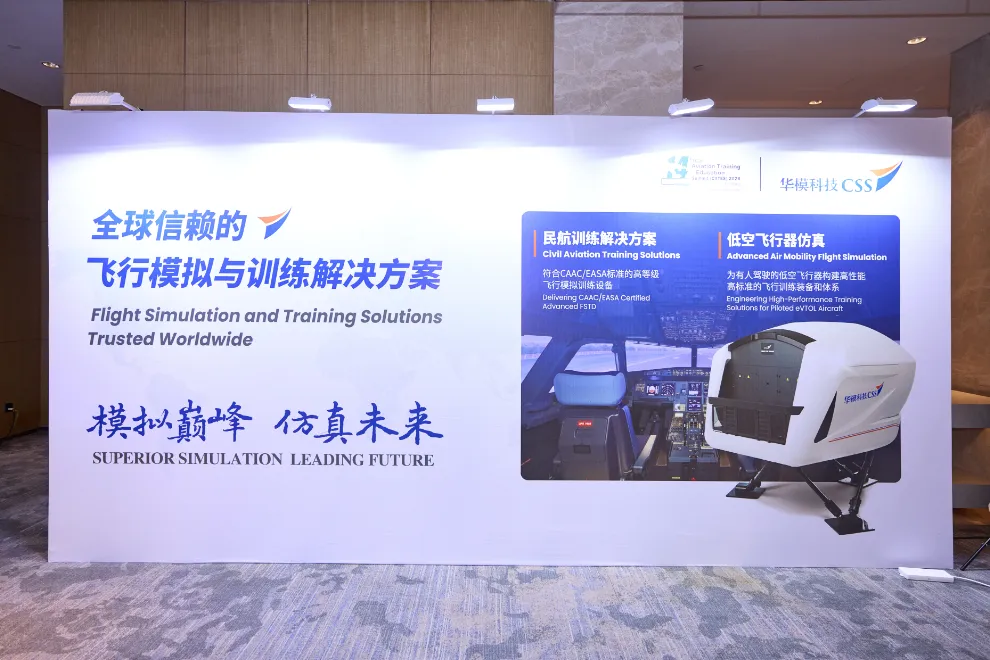
Held in Suzhou on May 21‑22, 2026, the 14th Conference on Aviation Training & Education Summit (CATES 2026) was grandly convened. Centered on the theme of “New Era, New System, New Training”, this summit focuses on six core pillars: flight training, simulation equipment, AI intelligent application, CBTA/EBT framework, training culture and cabin safety training. It brings together domestic and international airlines, aircraft manufacturers, simulator vendors, aviation academies, industry experts and corporate representatives to build an international exchange platform for in‑depth integration of industry, academia, research and application. Participants explored innovative aviation training philosophies, technological upgrades, standard formulation and new models for talent development.
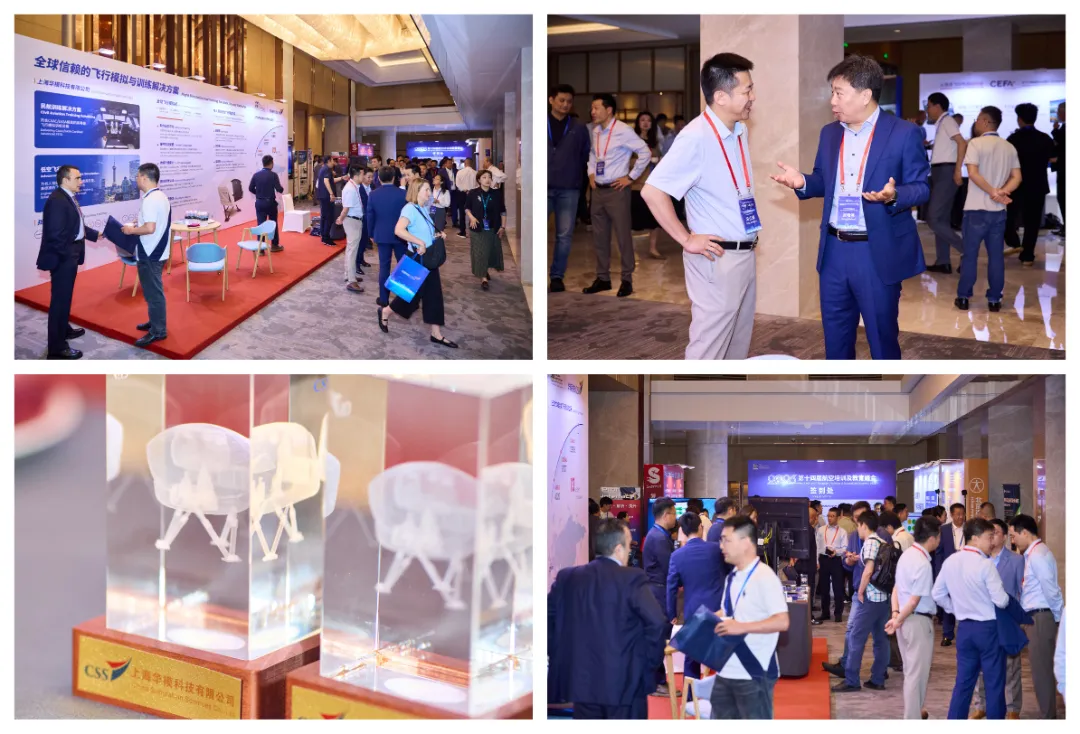
As a co‑organizer of the summit, China Simulation Sciences (CSS) took an in‑depth part in the event and showcased its latest technological breakthroughs and intelligent transformation achievements in the aviation simulation sector to the industry.
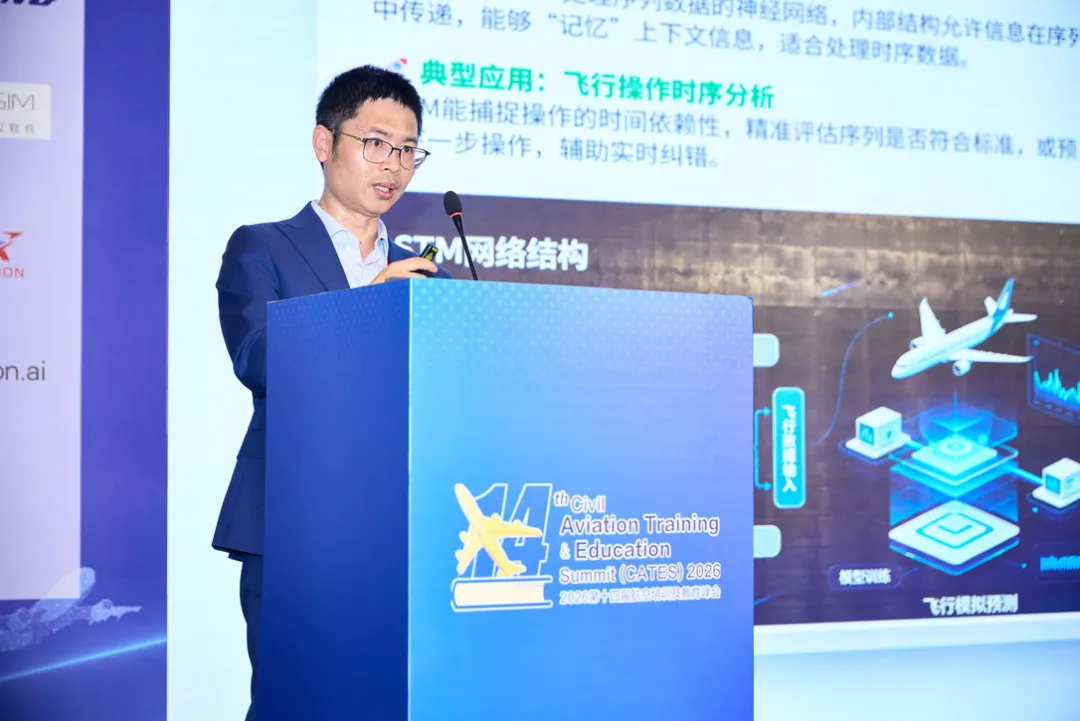
During the summit’s keynote session, Zhou Lai, General Manager of the Advanced Research Department and Low‑Altitude Mobility Division of China Simulation Sciences (CSS), delivered a keynote speech titled *Discussion on the Application of AI Technology in Flight Training and Flight Simulators*.
In his presentation, Zhou Lai systematically shared CSS's leading practices in algorithm optimization, scenario‑based implementation and industry‑university‑research collaboration. He pointed out that with the deep integration of large language models and digital twin technology, flight simulation training is rapidly evolving toward intelligence, personalization and autonomy. Through technological innovation, CSS strives to break the limitations of conventional simulation. While securing independent controllability of core technologies for aviation training equipment, the company empowers industrial upgrading with AI capabilities and delivers a robust technological foundation for the high‑quality development of China's civil aviation and low‑altitude economy.
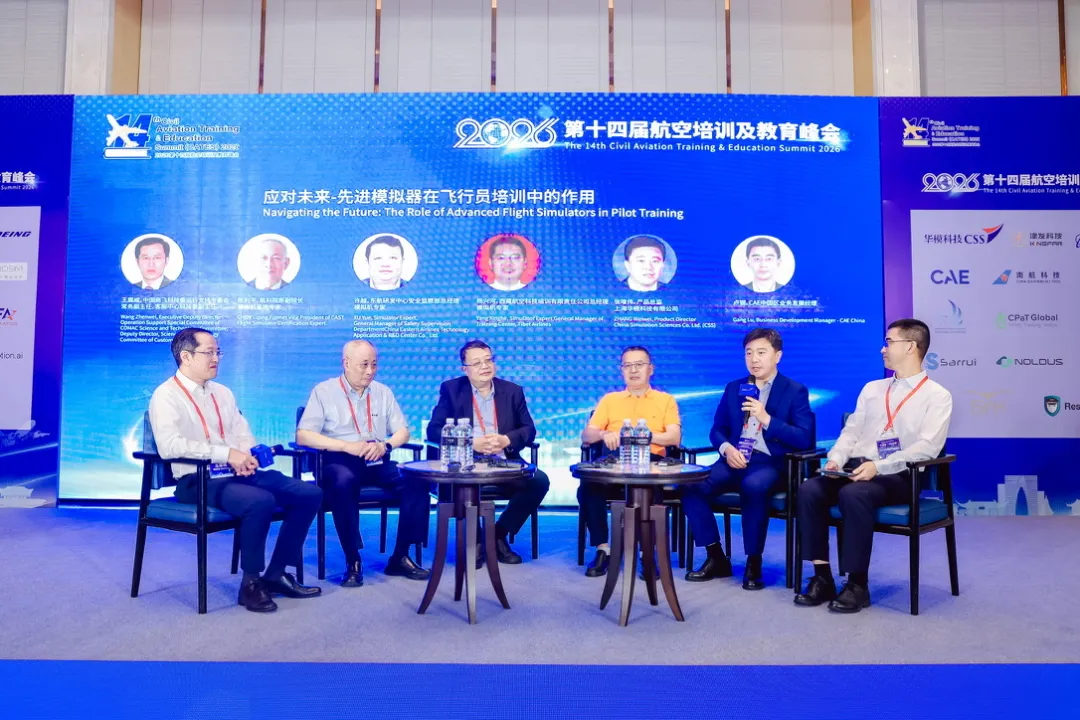
Over the two‑day event, multiple high‑level roundtable forums generated intensive intellectual exchanges. In the session themed “Roles of Advanced Simulators in Pilot Training”, Zhang Weiwei, Product Director of China Simulation Sciences (CSS), was invited as a distinguished panelist. He engaged in in‑depth discussions with a cohort of industry specialists covering the strengths and limitations of traditional flight simulators, application boundaries of VR technology in flight training, as well as opportunities and challenges facing existing technologies.
A long‑term player in China’s aviation simulation equipment industry, China Simulation Sciences (CSS) consistently adheres to its core philosophy of “Independent Software, Unrestricted Data, Boundless Applications”. Moving forward, drawing on its core strengths in intelligent simulation and data utilization, CSS will continue to take independent innovation as the cornerstone and safety‑oriented training as its fundamental mission, and keep empowering global aviation talent development and the construction of the low‑altitude industrial ecosystem.